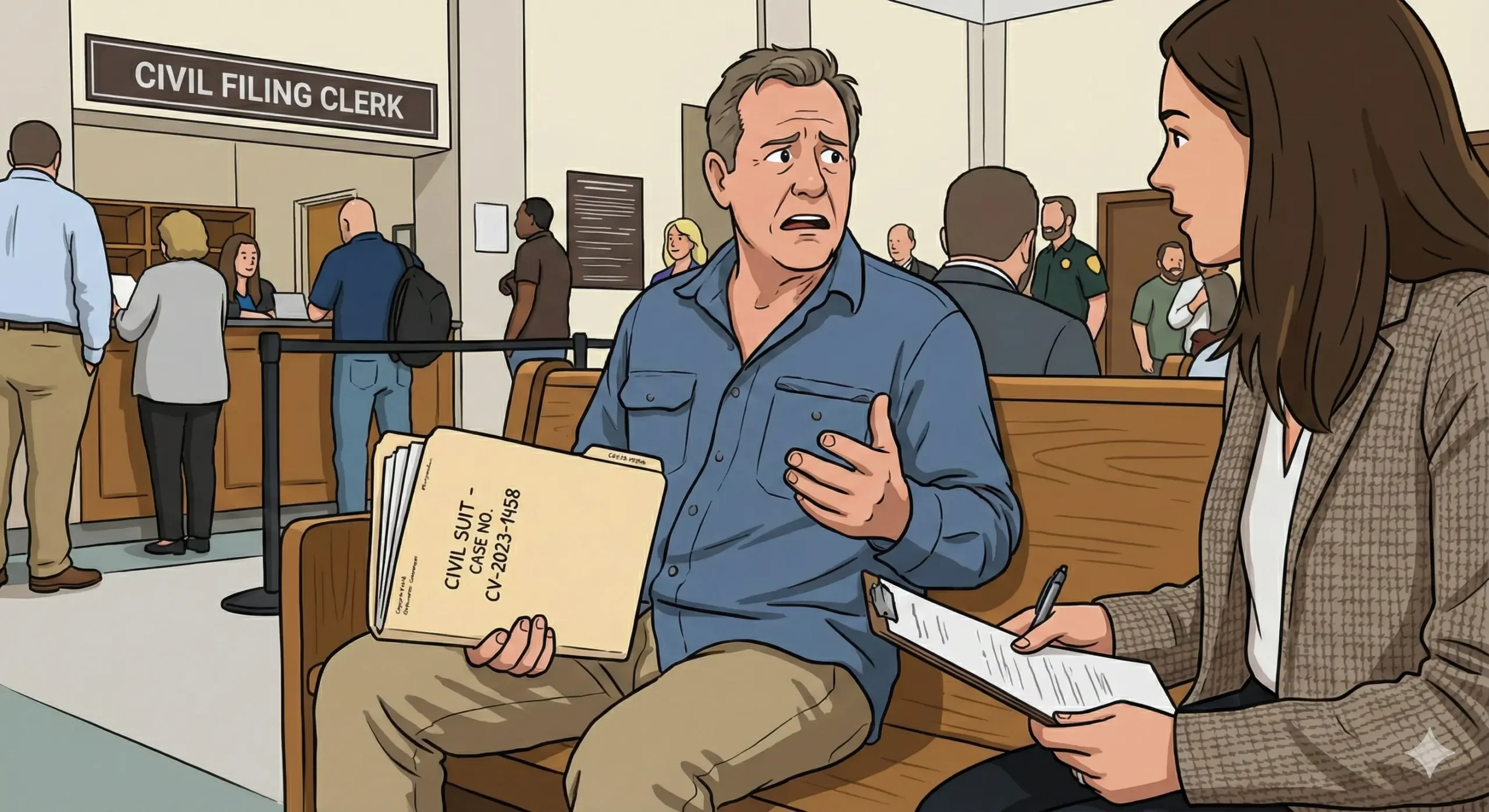
Civil Suits in India: Meaning, Types, Procedure & Complete Guide
A civil suit is one of the most common legal remedies used in India to enforce rights and resolve disputes between private parties. Whether the issue involves property, contracts, family matters, recovery of money, injunctions, tenancy, or commercial disputes, a civil suit provides a structured judicial process for adjudication.
Understanding how civil suits work helps litigants navigate the court system effectively and avoid procedural setbacks.
What Is a Civil Suit?
A civil suit is a legal proceeding initiated by an individual, company, or entity (plaintiff) against another (defendant) to enforce a civil right or seek compensation for a civil wrong.
Civil suits are governed primarily by:
-
Code of Civil Procedure, 1908 (CPC)
-
Indian Evidence Act, 1872
-
Specific Relief Act, 1963
-
Limitation Act, 1963
The objective is not to punish but to provide relief, compensation, or protection of rights.
Common Types of Civil Suits in India
Civil suits may relate to:
1. Property Disputes
Partition, possession, declaration of title, easement rights, specific performance.
2. Recovery Suits
Recovery of money based on loans, business transactions, dishonoured cheques, or damages.
3. Injunction Suits
Permanent or temporary injunctions stopping someone from doing an unlawful act.
4. Contract & Commercial Disputes
Breach of contract, performance disputes, commercial transactions.
5. Family & Matrimonial Civil Matters
Custody, maintenance, and property arising from family disputes (excluding divorce matters handled under personal law statutes).
6. Tenancy & Rent Matters
Eviction, mesne profits, wrongful possession.
7. Service Law Civil Claims
Suits involving seniority, appointment, or violation of service rules (where writ remedy is not invoked).
Who Can File a Civil Suit?
Any person whose civil or legal right is violated may file a suit, including:
-
Individuals
-
Companies
-
Firms
-
Trusts
-
Government bodies
A guardian or next friend may sue on behalf of minors or persons with disabilities.
Essential Ingredients of a Civil Suit
A valid civil suit requires:
-
A cause of action
-
A competent court (territorial + pecuniary jurisdiction)
-
A plaintiff and defendant
-
A specific relief sought
-
Suit filed within limitation period
Stages of a Civil Suit (Step-by-Step Procedure)
Civil suits follow a structured procedure under the CPC:
1. Filing of Plaint (Plaint + Affidavit + Documents)
The plaintiff files a plaint stating facts, cause of action, jurisdiction, and relief sought.
2. Examination & Registration
Court scrutinizes and registers the plaint.
3. Issue of Summons to Defendant
Defendant is formally called to appear and respond.
4. Written Statement
Defendant files a reply within 30–120 days, denying or admitting allegations.
5. Replication
Plaintiff may file a counter-response.
6. Framing of Issues
Court identifies the points of dispute.
7. Evidence Stage
-
Plaintiff’s evidence
-
Defendant’s evidence
-
Cross-examination
8. Final Arguments
9. Judgment & Decree
Court pronounces judgment and drafts a decree.
10. Execution Proceedings
If the decree is not complied with, the successful party may file execution.
Limitation Period for Civil Suits
Different types of suits have different timelines under the Limitation Act:
-
Property disputes: 3–12 years
-
Recovery suits: 3 years
-
Specific performance: 3 years
-
Injunction suits: 3 years
-
Partition suits: No strict limitation, but delay affects equities
Reliefs Granted by Civil Courts
Courts may grant:
-
Declaration
-
Permanent injunction
-
Recovery of money
-
Possession of property
-
Damages/compensation
-
Specific performance
-
Mesne profits
-
Mandatory injunction
Appeals in Civil Suits
If a party is aggrieved by a decree:
-
First Appeal (Section 96 CPC)
-
Second Appeal (Section 100 CPC)
Why Do Civil Suits Take Time?
Common causes of delay include:
-
Adjournments
-
Multiple witness examinations
-
Appointment of local commissioners
-
Interim applications
-
Procedural compliance
-
Overburdened courts
However, amendments to CPC and Commercial Courts Act have reduced delays in commercial disputes.
Role of an Advocate in Civil Suits
A civil litigator plays a crucial role:
-
Drafting plaints, written statements, and applications
-
Framing legal strategy
-
Leading evidence and cross-examination
-
Securing interim injunctions
-
Ensuring compliance during execution
-
Filing appeals or revisions as needed
Conclusion
Civil suits are at the heart of dispute resolution in India, providing a legal mechanism for enforcing rights and obtaining remedies. With proper drafting, evidence, and legal guidance, litigants can achieve fair outcomes even in complex matters.

Related Posts


Comments (0)